
The Bridge between Arab-world capital and African opportunity.
Under the patronage of Her Highness Queen Zaynab Otiti Obanor, AAEDI convenes governing heads of states, dignitaries, and businesses across two continents — a standing platform for co-invested, operational partnerships.
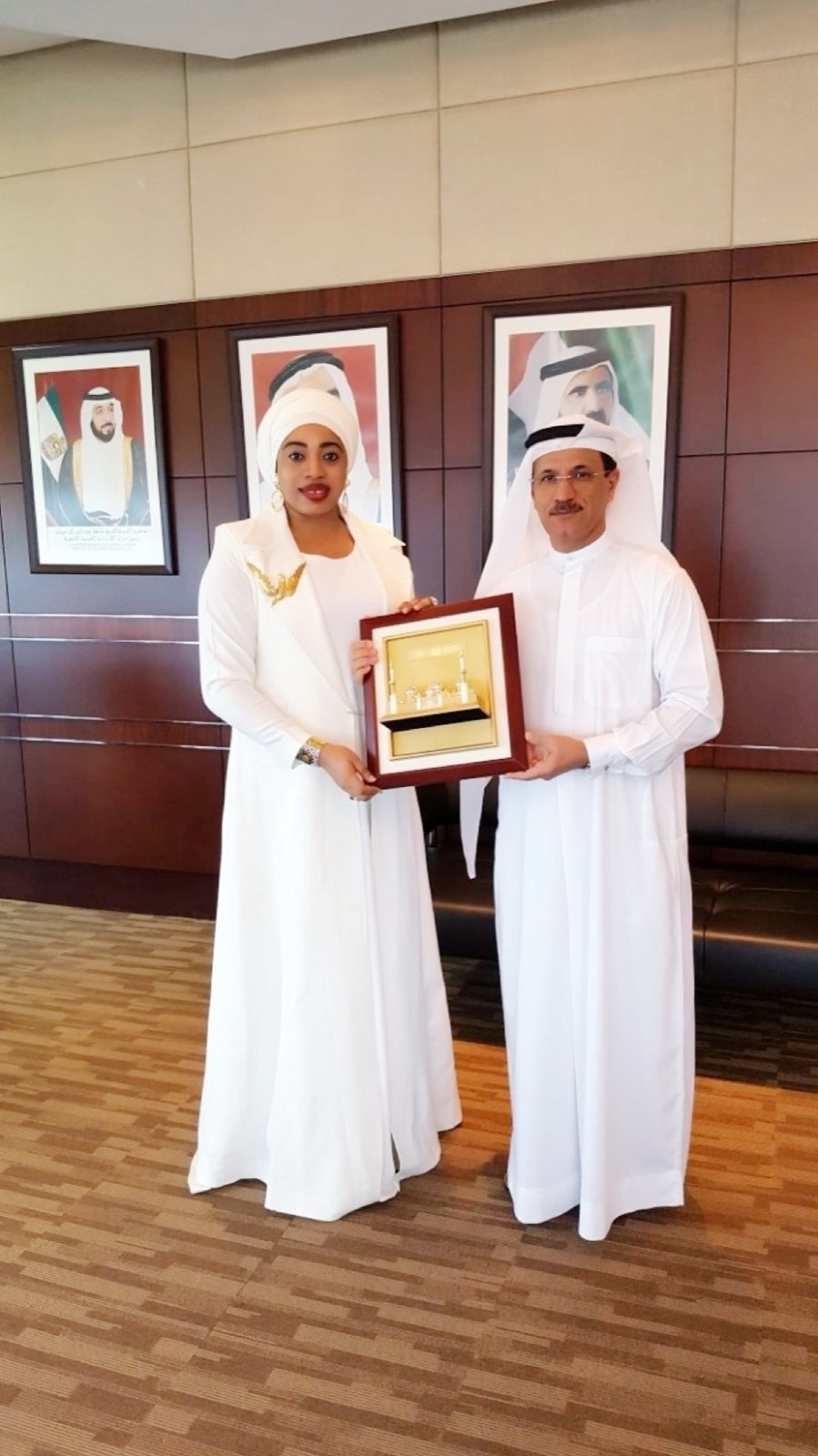
The Arab African Economic Development Initiative (AAEDI) — branded internally as The Bridge — exists to turn Arab-world capital and African opportunity into co-invested, operational businesses. It began as a diplomatic idea in 2017, formalised in meetings with the United Arab Emirates Minister of Economy Sultan Bin Saeed Al Mansoori, and has grown into a working architecture spanning more than thirty partner countries.
AAEDI operates as a convener, a curator, and a match-maker. The organisation maintains a screened database of companies, sovereigns, and development finance institutions on either side of the corridor, and builds bilateral and multilateral engagements where scale and policy alignment matter most.
Its flagship long-form project is the International Common Cultural City (ICCC) — a planned mixed-use development designed to embody Arab-African cultural and commercial integration in built form, and to serve as a permanent convening ground for the partnerships AAEDI has spent the past decade assembling.
Her Highness Queen Zaynab Otiti Obanor
"Bridging the gap and fostering synergistic business opportunities between the vibrant nations of Africa and the Arab World" — AAEDI's mission statement, articulated by its patron, captures a decade of cross-corridor work that spans tourism, agriculture, medical services, financial services, alternative power, infrastructure, and transportation.
The Initiative is closely coordinated with the Queen Zaynab Foundation and with ZOGA Holdings, so that the capital and partnerships it attracts translate into operational African businesses — and, where relevant, into humanitarian programming.